

Commentary
- +9
Nathan J. Brown, Alper Coşkun, Amr Hamzawy, …
{
  "authors": [
    "Zaha Hassan"
  ],
  "type": "commentary",
  "centerAffiliationAll": "dc",
  "centers": [
    "Carnegie Endowment for International Peace"
  ],
  "collections": [
    "Rebuilding Gaza: The Human Dimension",
    "Palestine/Israel Projects"
  ],
  "englishNewsletterAll": "menaTransitions",
  "nonEnglishNewsletterAll": "",
  "primaryCenter": "Carnegie Endowment for International Peace",
  "programAffiliation": "MEP",
  "programs": [
    "Middle East"
  ],
  "projects": [],
  "regions": [
    "Palestine",
    "Middle East"
  ],
  "topics": []
}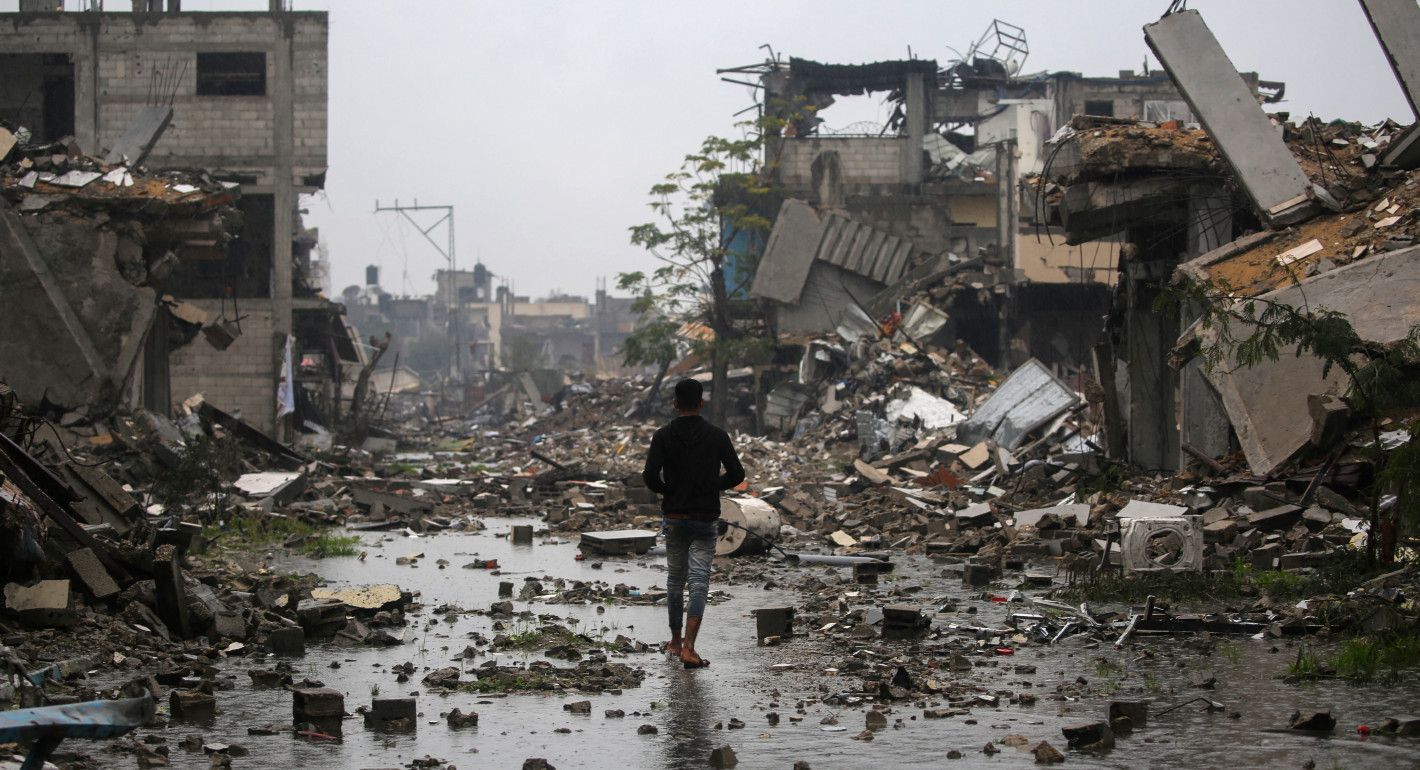
Bureij, central Gaza Strip, on January 23. (Photo by Eyad Baba/AFP via Getty Images)
The deal is extremely fragile, but there’s some reason for hope.
After more than fifteen months, Israeli military operations inside Gaza have largely abated, as has the constant hum from surveillance drones and quadcopters. The three-phrase ceasefire deal between Israel and Hamas—negotiated by Qatar, Egypt, and the United States in May 2024 and enshrined in a UN Security Council resolution one month later—was finally pushed over the finish line just ahead of the inauguration of U.S. President Donald Trump.
The deal is extremely fragile—and long overdue and much too late for some held captive in Gaza and the tens of thousands of Palestinians who have been killed or severely wounded. Phase one allows six weeks of quiet, the withdrawal of Israeli troops from Palestinian population centers, a surge in humanitarian relief and supplies, and a return of the displaced to what is left of their homes. Each week, certain categories of Israeli captives will be exchanged for Palestinian prisoners and detainees held without charge. By the sixteenth day, negotiations will begin over the terms for a second phase that could include Israeli troops moving out of Gaza and a permanent ceasefire taking hold. In the third phase, Gaza’s reconstruction and rehabilitation would begin.
Israeli Prime Minister Benjamin Netanyahu has stated that Israel is only committed to a temporary ceasefire. But the Trump administration’s Middle East envoy, Steve Witkoff, has said he prefers diplomacy over war and has indicated the wish for negotiations to continue with Hamas.
Achieving a diplomatic solution will require sustained U.S. and international engagement to encourage both Israel and Hamas to fully implement their commitments. Much hinges on a successful phase one—and the volatile dynamics in Netanyahu’s governing coalition—to support negotiations leading to phase two. Will restrictions on the entry of goods and aid workers to Gaza be permitted? Will adequate humanitarian relief be distributed throughout Gaza? Will healthcare be accessible for the injured and infirm? And will foreign passport holders, students, and patients needing specialized care in the West Bank and abroad be able to travel?
There is some reason to be hopeful. In the first three days of the ceasefire, 2,400 aid trucks entered Gaza, up from a daily average of fifty-one earlier in the month. Palestinian police are again providing security for the humanitarian relief efforts, including the safe entry and distribution of food, water, and essential supplies. But more than aid and calm are needed to move Gaza into the next phases.
In this series, experts on humanitarian relief and healthcare delivery in conflict zones and postconflict environments share their insights on the challenges ahead for Gaza and offer recommendations for early stabilization efforts toward rebuilding communities:
Senior Fellow, Middle East Program
Zaha Hassan is a human rights attorney, policy analyst, and senior fellow at the Carnegie Endowment for International Peace.
Recent Work

Nathan J. Brown, Alper Coşkun, Amr Hamzawy, …

Andrew Leber, Zaha Hassan
Carnegie does not take institutional positions on public policy issues; the views represented herein are those of the author(s) and do not necessarily reflect the views of Carnegie, its staff, or its trustees.

The global hydrocarbon order is changing. Economic diversification and developing productive economies have become essential for Middle Eastern and North African states, requiring them to address social and political challenges and rethink domestic, regional, and global settlements.

Nur Arafeh, Ishac Diwan, Hamza Meddeb, …
The six GCC members’ unity would be a valued—if not essential—asset for negotiating an end to the simmering regional conflict.
Sam Worby, Andrew Leber
Carnegie’s Middle East Program scholars reflect on the impasse and its potential impacts on the Middle East.
Nathan J. Brown, Alper Coşkun, Amr Hamzawy, …
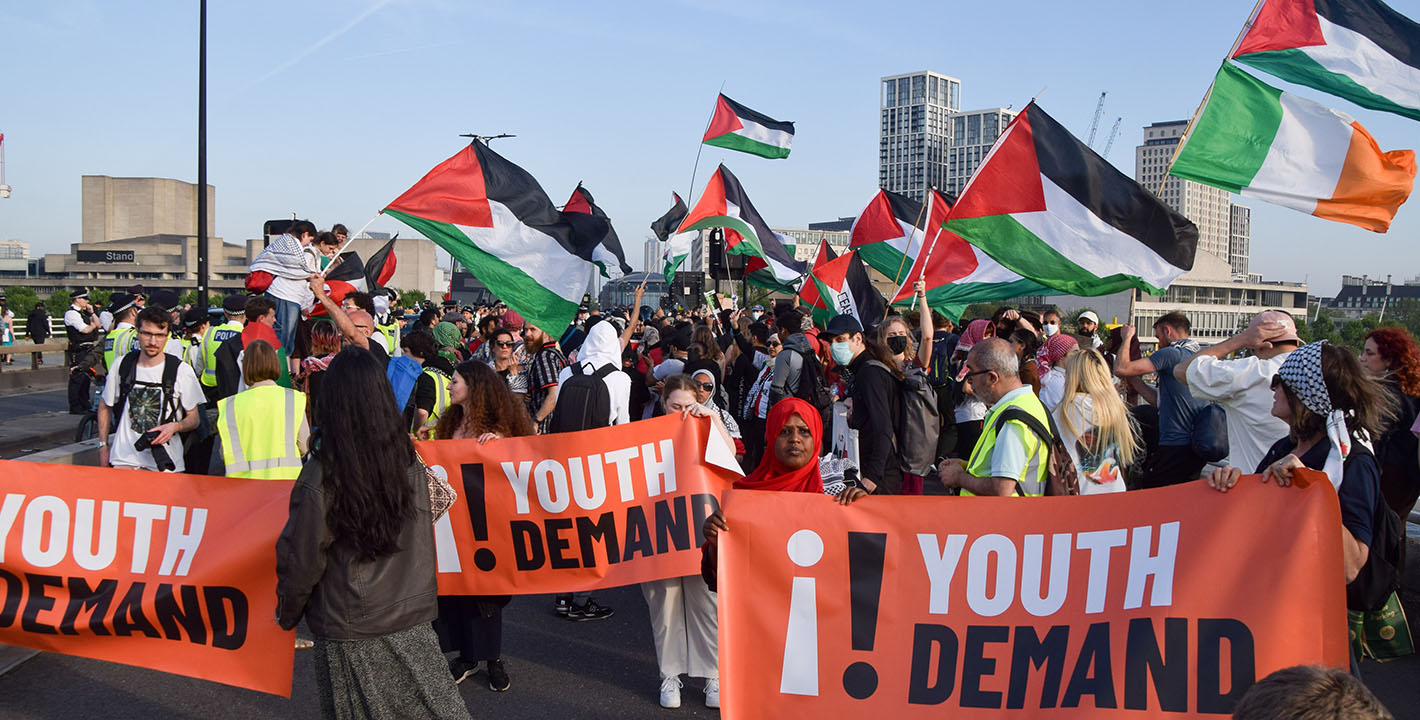
In an interview, Mayssoun Sukarieh discusses youths in the region, and how they are being defined and reshaped.

Yasmine Zarhloule
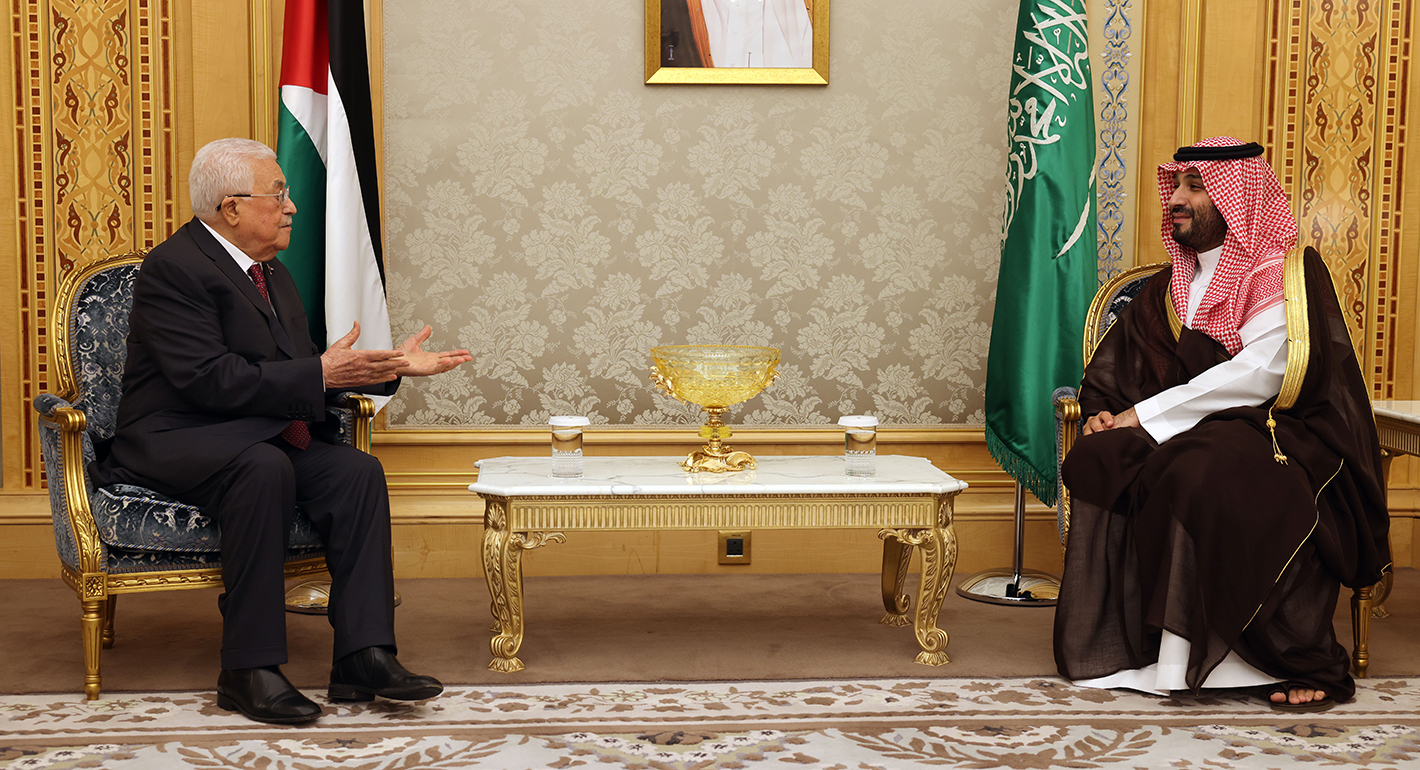
The U.S. midterm elections signal the opening of a narrow window for bold Saudi diplomacy on Palestine.
Andrew Leber, Zaha Hassan